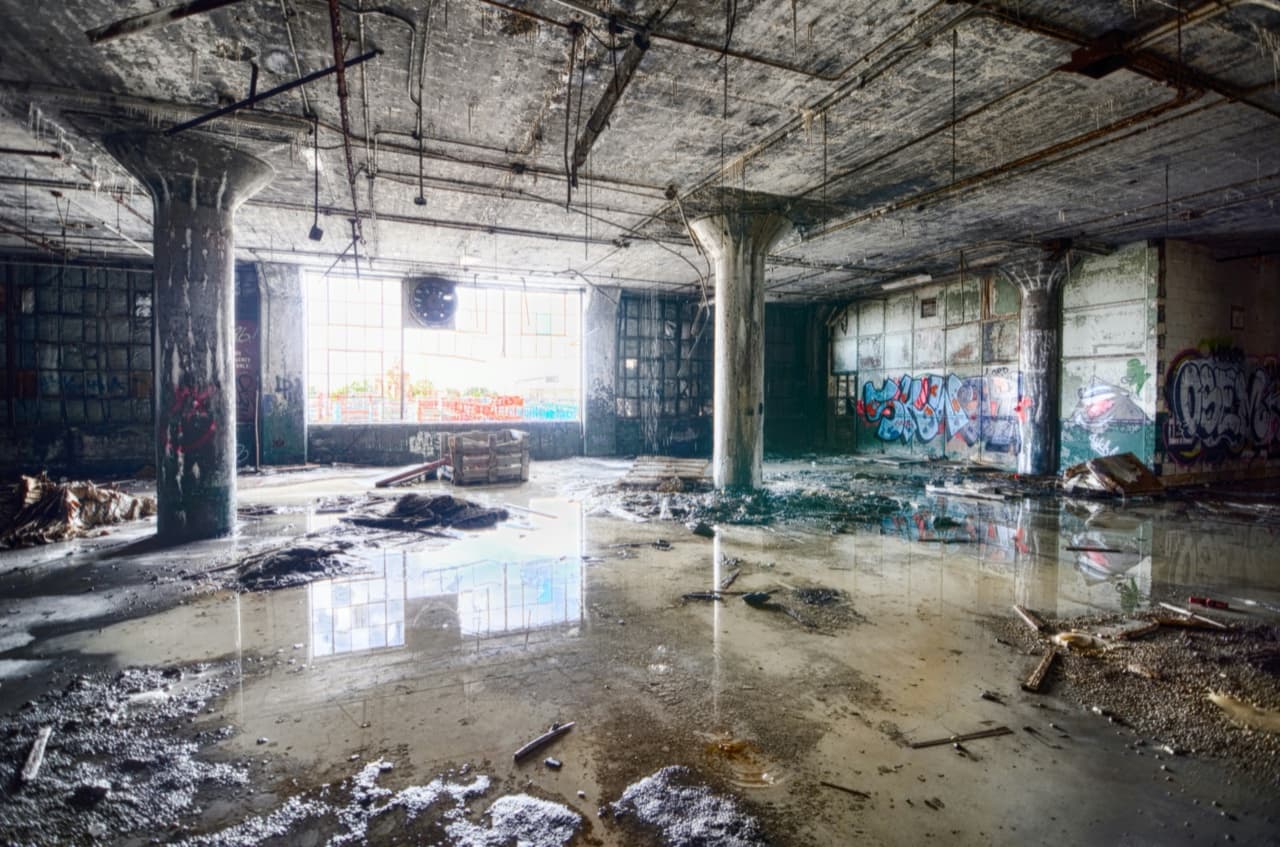
About insurance and restoration scans
Pre-loss and post-loss 3D documentation for restoration contractors, public adjusters, and commercial property owners filing claims.
A digital twin captured before construction, or after a loss, gives every party in a claim the same baseline. Disputes about what was where, what got damaged, and what the restoration scope should be become a lot easier to resolve when the room is on screen, measured, and timestamped. We do not handle claims ourselves. We document, and we document well.
Pre-loss documentation
Capturing high-value commercial space as a baseline before any loss occurs is the version of this work that nobody appreciates until they need it. The scan sits on a shelf. When a loss happens, the pre-loss baseline cuts weeks off the claim because both sides can see, in measured detail, what existed before. Hotels, historic interiors, museums, restaurants, and specialty retail are the most common pre-loss clients.
Post-loss documentation
Scanning the loss state of a property after fire, flood, or storm surfaces detail an adjuster would miss in a walkthrough. The scan documents pre-restoration condition for the restoration contractor's scope and for the eventual diminution-of-value discussion. Time matters here. Pre-restoration is the moment to capture, before remediation crews change the scene.
Who uses it
Commercial restoration contractors documenting their scope. Public adjusters making the case to the insurer. Commercial property owners with high-value inventory. Hospitality and historic-property owners with irreplaceable interior detail. Occasionally, defense counsel in subrogation litigation, when the question of what was where is genuinely contested.
Deliverables and a note on scope
Matterport tour with timestamps, room-by-room photo set, floor plan with damaged areas marked. Point cloud for high-value or complex losses where the adjuster has specifically asked for survey-grade documentation. A point worth saying clearly: 3D documentation supports adjuster work, but the actual claim handling is the licensed adjuster's job. We document. We do not adjust.